


Origin and History of the Gouldian Finch
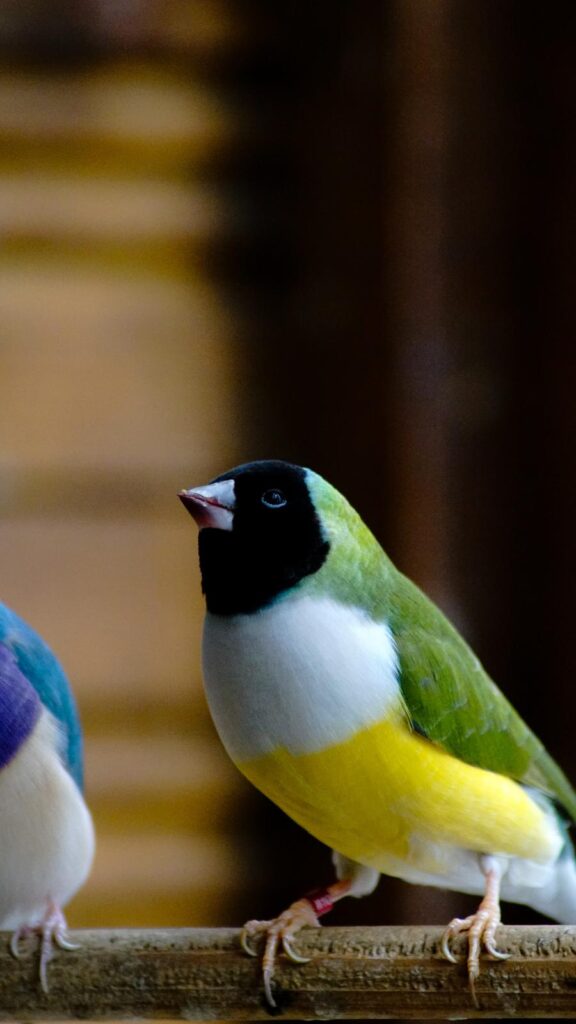
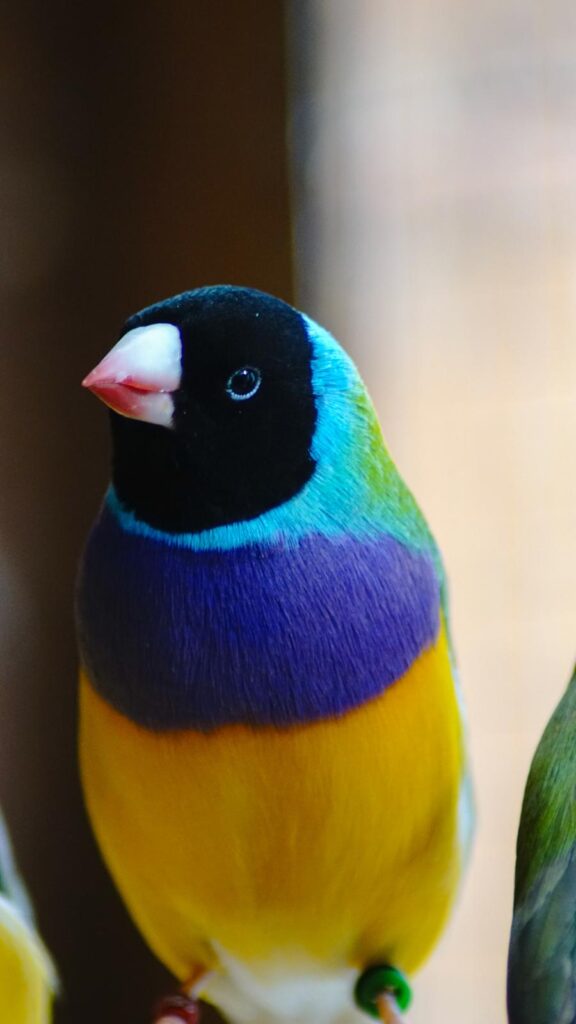
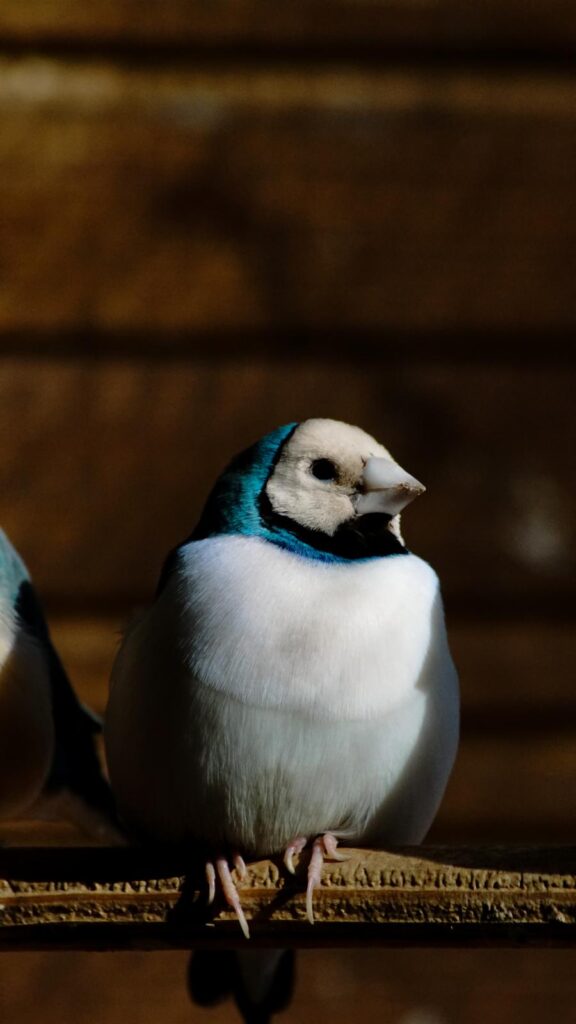
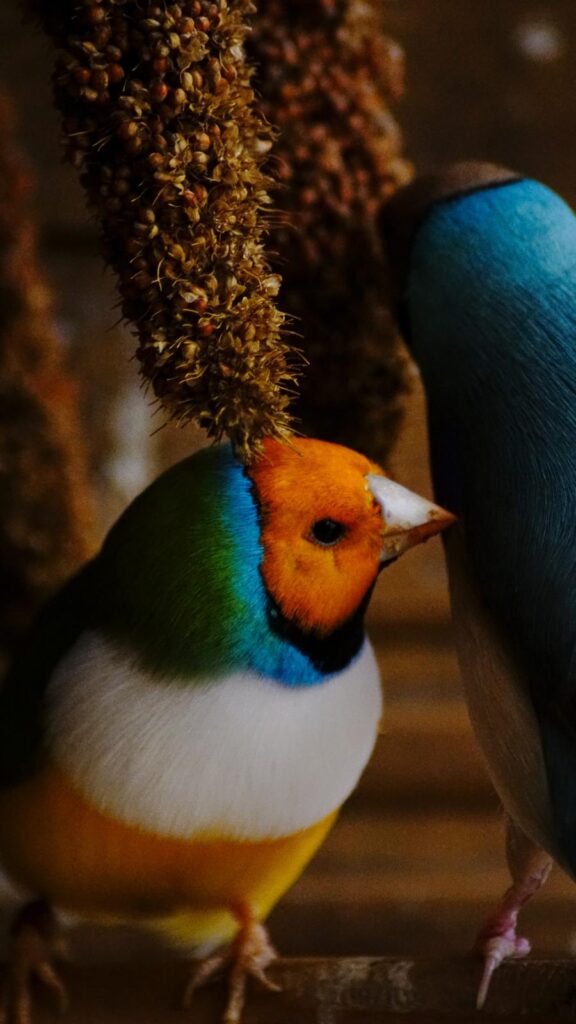
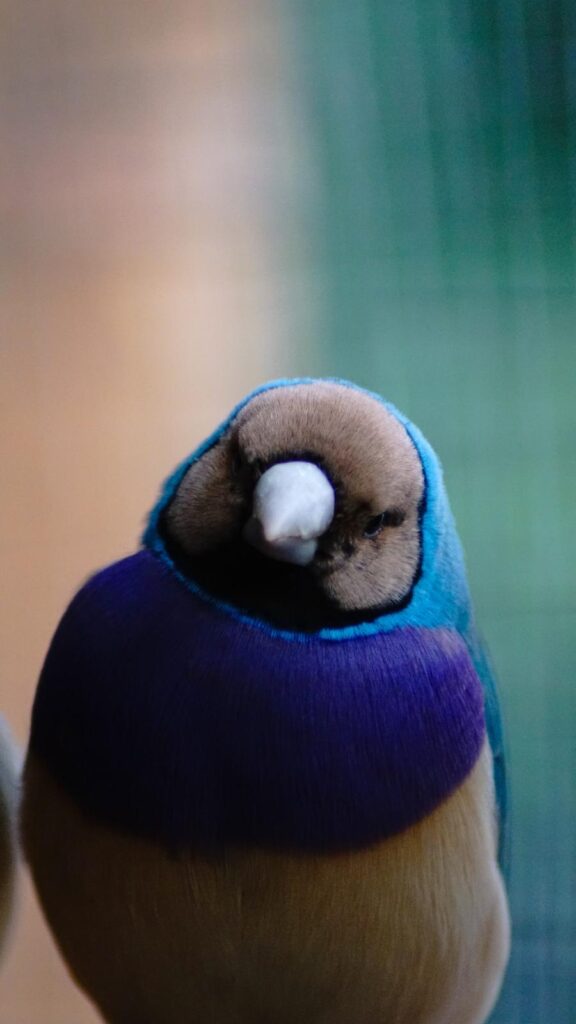
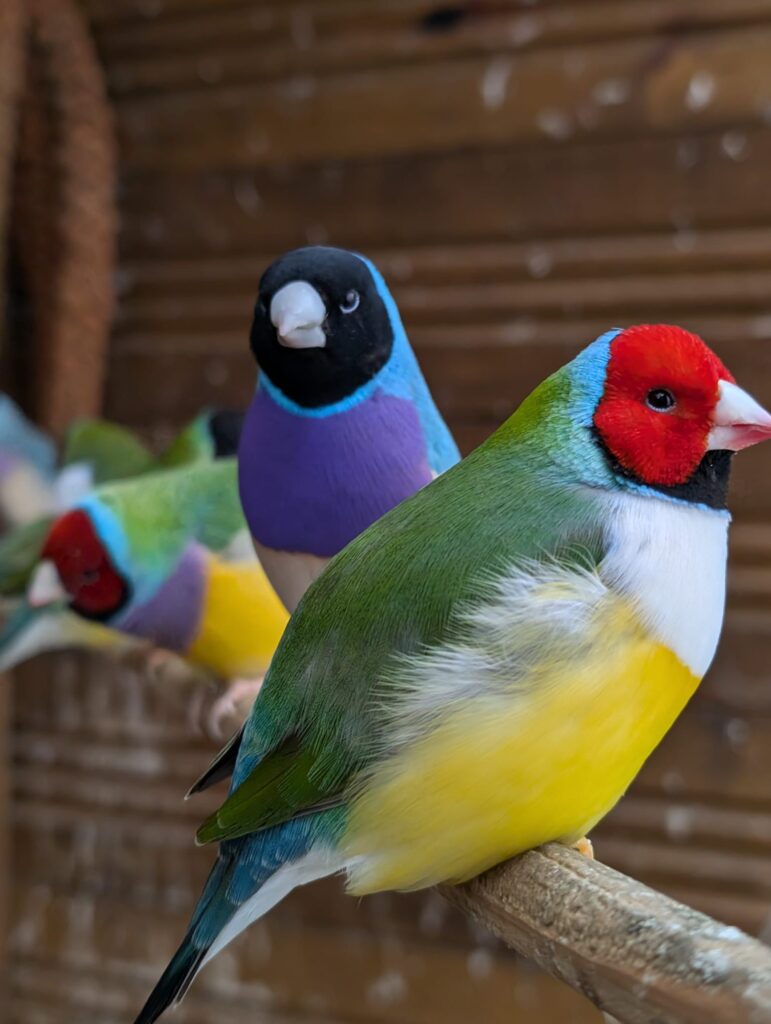
The Gouldian Finch (Chloebia gouldiae) is a small exotic bird native to Australia, specifically the tropical north of the continent, including the Cape York Peninsula, Kimberley, and Arnhem Land. First discovered and scientifically described by the English naturalist John Gould in 1844, the species was named in honor of Elizabeth Gould, the scientist’s wife and a renowned illustrator of his ornithological studies.
Historically, these birds mainly inhabited the savannas and open woodlands of northern Australia, areas rich in grasslands and natural water sources. Due to their striking plumage, they soon became popular among breeders and collectors worldwide, especially in Europe, where they arrived in the late 19th century and quickly became established in private aviaries and zoos.
By the early 20th century, massive exportation and the gradual destruction of their natural habitat led to a significant decline in wild Gouldian Finch populations. As a result, the species is currently listed as “Near Threatened” by the International Union for Conservation of Nature (IUCN). For this reason, many modern efforts are focused on responsible captive breeding, as well as conservation projects in Australia aimed at restoring their natural habitat and stabilizing wild populations.